

 Poor Mental Preparedness is a news and information topic monitored and covered by: Prepper Watch – Survival
Introduction — Why Mental Preparedness Is the Keystone of Survival
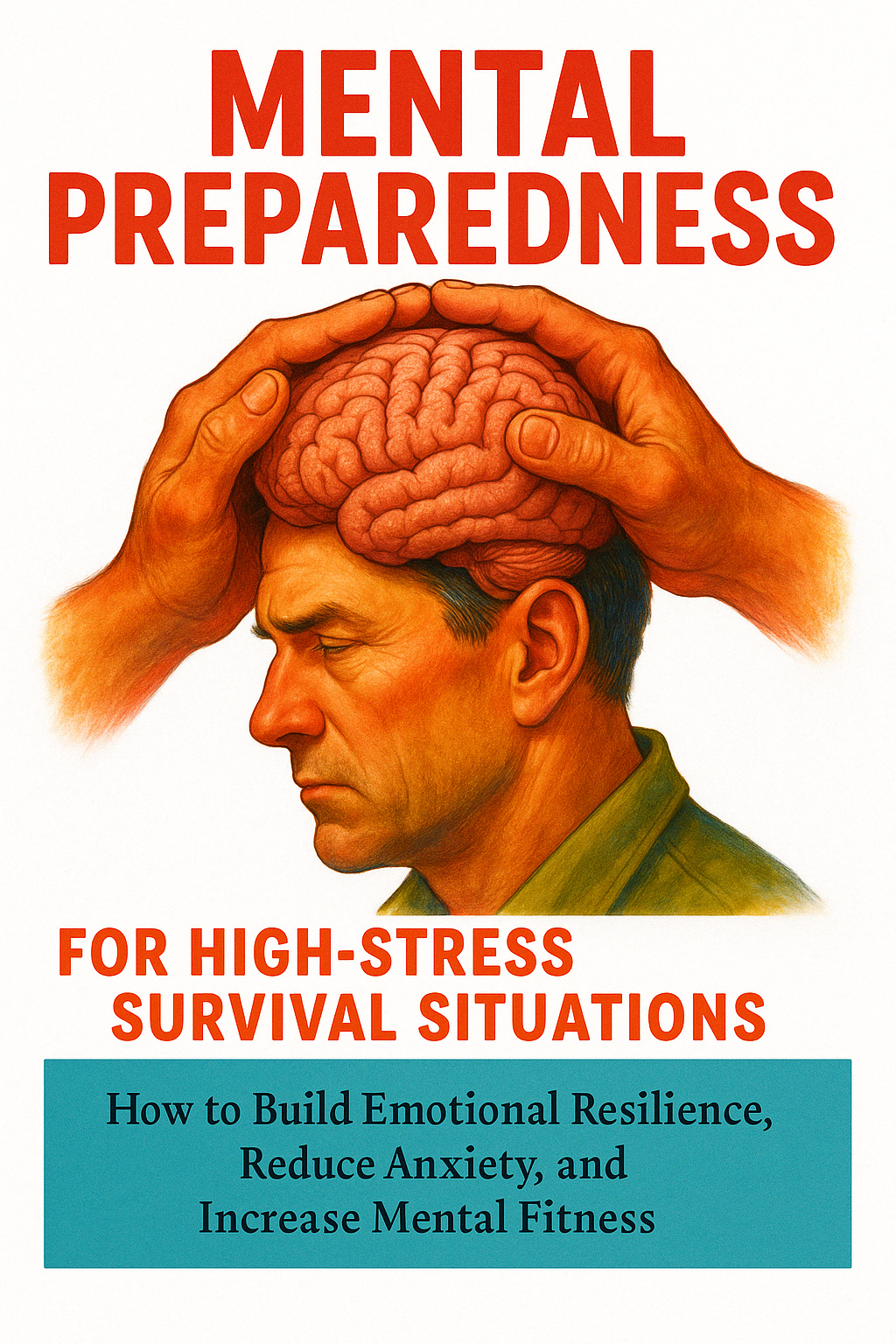 In the world of preparedness, we stockpile food, secure clean water, build shelters, and hone physical skills. Yet the most overlooked and arguably most critical component is mental preparedness. A lack of emotional resilience can lead to panic, poor decisions, group conflict, and even survival failure. When disaster strikes—whether it’s an EMP, economic collapse, or a natural disaster—your ability to stay calm, focused, and rational will define your chances of making it through.
This guide explores how preppers can train their minds for high-stress survival situations, reduce emotional breakdowns, and cultivate a mindset of adaptability, confidence, and clarity. Mental fitness isn’t optional—it’s survival’s hidden edge.
Understanding Poor Mental Preparedness
Mental unpreparedness manifests in several key ways:
- Panic under pressure – freezing or making irrational choices
- Emotional volatility – excessive anger, despair, or denial
- Cognitive fatigue – inability to make decisions or solve problems
- Avoidance behaviors – refusal to act or face reality
- Dependency mindset – overreliance on others instead of self-reliance
In survival situations, these responses can spiral into fatal mistakes. A prepper who can’t adapt mentally will waste supplies, alienate allies, and potentially abandon the plan when it matters most.
The Core of Mental Resilience
Mental preparedness is not about suppressing emotions—it’s about managing them. The mentally resilient prepper has cultivated:
- Emotional regulation: A controlled response to fear, anger, or loss
- Focus: The ability to maintain clarity under pressure
- Self-awareness: Recognizing one’s limits, biases, and triggers
- Adaptability: Shifting plans quickly without collapse
- Courage: Acting despite fear, not without it
Training the mind to respond with composure, logic, and clarity during duress is a skill—just like fire-starting or first aid.
Daily Mental Conditioning Techniques
Preppers can use daily routines to build mental strength:
- Cold Exposure Training
- Builds stress tolerance and breath control.
- Cold showers or ice baths simulate physical discomfort and teach regulation.
- Physical Fitness with Mindfulness
- Combine workouts with mental focus—notice thoughts, push limits, overcome fatigue.
- Use running or rucking to build “grit” and reinforce determination.
- Box Breathing & Controlled Breathwork
- Helps control panic and anxiety.
- Breathe in for 4, hold for 4, out for 4, hold for 4.
- Visualization
- Rehearse mentally how you would respond to specific scenarios: home invasion, getting lost, bugging out.
- Visualization reduces hesitation and builds pre-programmed reactions.
Training for Psychological Stress in Simulated Environments
Create controlled, safe environments where mental resilience can be tested:
- Night navigation with limited light
- Fasting for 24–48 hours to simulate food scarcity
- No-tech weekends (no phones or GPS)
- Sleep deprivation drills
- Mock evacuation with family or team under timed stress
These exercises introduce cognitive fatigue, frustration, and adversity—all excellent opportunities to learn how you and your team perform under pressure.
Building Group Resilience and Leadership Confidence
In group settings, mental resilience becomes contagious—or toxic. As a prepper, your emotional stability directly impacts your team’s morale and decision-making.
Group-Based Strategies:
- Role-play stressful group scenarios like a missing member, injury, or theft.
- Create a group code for escalation (e.g., “calm protocol”) to prevent group panic.
- Assign emotional first-aid roles for checking in and de-escalating conflict.
Strong leaders project calm. A mentally resilient prepper doesn’t just lead—they anchor the group emotionally.
Mental Health Preps for Long-Term Events
SHTF isn’t always short. Extended stress wears down morale. Plan now for long-haul psychological survival.
Long-Term Mental Health Strategies:
- Routine: Set daily tasks and rhythms (cooking, patrolling, journaling).
- Journaling: Helps process trauma and preserve clarity.
- Faith or Philosophy: Spiritual or philosophical frameworks can maintain hope and resilience.
- Books and games: Prevent boredom and stimulate cognitive function.
- Conflict-resolution protocols: Avoid emotional outbursts through structured mediation or breaks.
Don’t assume morale will stay high. Prepare to maintain it intentionally.
Mental First Aid for Panic and Breakdown
Just like CPR, every prepper should know how to administer mental first aid:
When Someone Is Panicking:
- Ground them with physical senses (“What do you see? Hear?”)
- Use calm voice tones—never shout
- Encourage deep breathing and eye contact
- Offer small decisions to rebuild control: “Sit or stand?” “Drink or rest?”
For Yourself:
- Step back. Focus on the next step, not the big picture.
- Breathe deeply and name what you’re feeling to interrupt panic loops.
- Use a mantra: “I’m trained for this. One step at a time.”
Mental breakdowns are not signs of weakness—they’re signals. Learn to read and redirect them.
Learning from Survivors — Real-World Lessons in Mental Strength
History offers a wealth of survival stories where mental fortitude triumphed:
- Aron Ralston (the climber who amputated his own arm to survive): practiced meditation and focused thought while trapped.
- WWII POWs: Used rituals, storytelling, and prayer to resist psychological collapse.
- U.S. Special Forces: Train in mental endurance through stress inoculation—gradually building tolerance to high-stakes fear.
Study survival biographies. Analyze not just what they did, but how they thought—that’s the secret weapon.
Final Thoughts — Making Mental Toughness a Core Survival Skill
Most preppers understand the need for fire-starting, shelter building, and water purification. But mental toughness is the skill that determines whether you’ll use the rest of your training when it counts.
Your brain is the first and last tool you’ll have in a crisis. Invest in it. Train it. Fortify it.
Summary Prepper Action List:
- Practice stress drills monthly
- Include mental health kits in your bug-out bags (journals, comfort items, faith tools)
- Decompress regularly to avoid burnout
- Train your group in mental health literacy
- Treat mindset like a muscle—it gets stronger when tested
In the end, survival isn’t just about enduring the world—it’s about mastering yourself.