
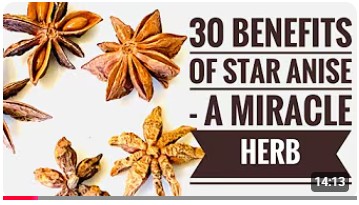

⭐🌿 Star Anise (Illicium verum) — A Powerful Traditional Spice
Star anise is not the same as regular anise seed — and it should never be confused with Japanese star anise (which is toxic). True star anise has been used for centuries in traditional Chinese and Ayurvedic practices.
Here’s why it gets so much attention:
🛡️ Rich in Antioxidants – Contains compounds like quercetin and gallic acid that help combat oxidative stress.
🔥 Anti-Inflammatory Support – May help reduce inflammation in the body.
🦠 Antibacterial & Antiviral Properties – Traditionally used to support immune health.
💪 Bone & Mineral Support – Contains minerals like calcium and magnesium.
❤️ Heart Health – May support circulation and healthy cholesterol levels.
🌬️ Respiratory Support – Often used in teas for coughs and congestion.
🌙 Calming Effects – Traditionally used to support relaxation and sleep.
🍵 Digestive Aid – Helps with bloating, gas, and indigestion.
It’s commonly used in chai tea, Chinese five-spice, broths, baked goods, and herbal infusions.
⚠️ Always use in moderation. Avoid during pregnancy, while nursing, or with small children. Speak with a healthcare professional before using medicinally.
Nature provides powerful tools — but wisdom and moderation matter.
Have you ever used star anise in tea or cooking?
Star anise is such a cool spice, and yes, definitely not the same as regular anise (or the toxic Japanese kind).
I love it in chai and broths. Adds that warm, cozy depth.
Totally agree – star anise is such an underrated spice. And yeah, definitely important to know the difference between culinary star anise and the toxic Japanese variety.
It really does add that deep, warm flavor. I love tossing a pod into broths or chai too – it gives that cozy, almost nostalgic vibe. A little goes a long way, but when it’s in there, you know it.