
 Do You Know Where Your Water Shutoff Is?
Winter Storm Prep Most People Learn the Hard Way
Quick question:
Do you know where your main water shutoff is?
And more importantly — do you know where the tool is to turn it off?
If a pipe bursts in the middle of a frost storm, you don’t want to be figuring that out in the dark while water is flooding your house.
Too many winter disasters aren’t caused by the storm itself — they’re caused by what we forgot to prepare for.
After a few expensive and stressful lessons, here’s a practical winter storm checklist for homeowners, homesteaders, and anyone with animals.
🚰 Water Systems: The First Line of Defense
Frozen pipes are frustrating.
Burst pipes are devastating.
Upgrade Outdoor Hose Bibs
If you live in a freeze zone, frost-free, automatic drain hose bibs are worth every penny. They dramatically reduce the risk of frozen and burst exterior pipes.
Drain & Open Connections
Before a hard freeze:
Disconnect hoses
Open connection points
Let gravity drain what it can
Leave lines angled downward if possible
Water trapped in fittings is what causes cracks.
Insulate Vulnerable Pipes
If you have pipes:
In crawl spaces
On exterior walls
In unheated areas
Insulate them before the freeze. Towels, pipe wrap, foam insulation — even temporary blankets can help.
In extreme cold:
Let faucets drip slightly
Open cabinet doors to allow warm air to circulate
Know Your Main Shutoff
Find it. Label it. Practice turning it off.
Keep the tool accessible.
When pipes freeze, sometimes the damage doesn’t show up until the thaw. Be ready.
🏠 Garage & Storage Risks
Unheated garages are silent winter traps.
Things that don’t handle freezing well:
Paint
Chemicals
Batteries
Power tools
Fertilizers
Bring them inside temporarily or use a safe heating solution during cold snaps.
If you depend on equipment or livestock care supplies, protecting storage is critical.
🔌 Backup Power Isn’t Optional
Storms often mean outages.
If you rely on:
Well pumps
Heaters
Routers
Medical equipment
Livestock water systems
You need a backup power plan.
Portable battery systems or generators can keep:
Oil heaters running
Internet active
Essential systems stable
The goal isn’t luxury — it’s continuity.
🐄 Livestock: Wet + Cold = Dangerous
There’s an old rule in farming:
Livestock can be wet.
Livestock can be cold.
They cannot be wet and cold.
Key Reminders:
Increase calorie intake before extreme cold
Monitor mineral intake (absorption matters in winter)
Ensure constant access to unfrozen water
A lactating cow can drink 30–50 gallons per day.
If pipes freeze, you’ll be hauling buckets. Lots of them.
Water Backup Planning
Trough heaters (if you have power)
Freeze valves that keep water moving
Wood chips to manage mud from flowing water
And never use open flame methods to defrost troughs unless you want to buy a new one.
Ask me how I know.
🔥 Barn Fire Risk (Seriously Important)
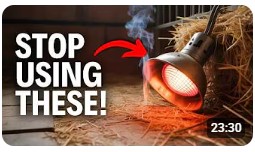
Heat lamps + bedding = high risk.
To reduce danger:
Use ceramic heat emitters instead of exposed bulbs
Keep bedding clear from heat sources
Check smoke detectors before every storm
Consider long-range monitors if your barn is far from the house
Winter storms don’t just bring cold — they bring fire risk when we try to fight the cold improperly.
🐐 Fences, Gates & Frozen Chaos
Snow and ice can ground electric fences.
If fences lose power:
Livestock may wander
Donkeys may explore highways
Police may get involved
Also:
Solar fence batteries drain faster in cloudy winter stretches
Frozen gates are real (heat gun = lifesaver)
Upgrade latch styles if yours freeze regularly
Think ahead before chores become an obstacle course.
🐭 Wildlife Pressure Increases
When it’s cold:
Rodents dig more aggressively
Predators get desperate
Burrowing animals target feed areas
Use barriers around coops.
Mulch and protect perennial roots.
Assume wildlife will look for the easiest calories available.
🚜 Machines & Access
Diesel engines struggle in cold.
Cold oil thickens.
Equipment won’t start.
Deliveries get delayed.
Pre-warm oil pans if necessary.
Test equipment before you need it.
Also — park vehicles somewhere accessible before ice forms.
Trying to drive down an icy hill during an emergency is not the time to rethink parking decisions.
Final Thought
Most winter problems aren’t dramatic acts of nature.
They’re small oversights.
A forgotten hose.
An unchecked battery.
A gate latch that freezes.
A pipe you didn’t know was exposed.
Preparation isn’t about perfection. It’s about reducing the number of surprises.
If it’s already happened, you can cry about it — or you can learn from it.
Stay warm out there.