

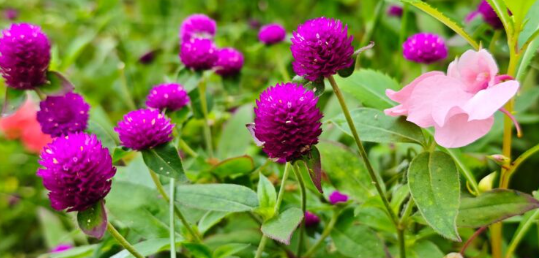
🌱 Amaranth Plant: The Prepper’s Ultimate Survival Crop
When it comes to long-term food security, few plants deliver as much value for the effort as amaranth. It’s tough, nutrient-rich, and grows well even in less-than-ideal conditions. For anyone focused on self-reliance and resilience, this is a crop worth knowing about.
🌾 What Is Amaranth?
Amaranth is a fast-growing annual plant that’s been cultivated for thousands of years across the Americas, Africa, and Asia. Ancient cultures relied on it because it produced reliable food with minimal care.
🌱 Grows quickly in warm weather
🌿 Produces edible leaves early on
🌾 Develops large seed heads later in the season
🌍 Tolerates poor soil and dry conditions
It’s technically a pseudocereal — meaning it provides grain-like nutrition but grows more like a leafy plant.
💪 Why It Matters for Preppers
Amaranth isn’t just easy to grow — it’s incredibly useful.
🥗 Nutrient-dense leaves for early harvest
🌾 Seeds packed with protein, including lysine
🔥 Handles heat and drought better than many crops
🛠️ Requires little maintenance or fertilizer
In a long-term food shortage, having a plant that produces both greens and seeds gives you flexibility throughout the growing season.
🌞 How to Grow Amaranth
One of the biggest advantages is how simple it is to grow.
🌤️ Plant after the last frost when soil warms
☀️ Full sun helps maximize growth
🌱 Once established, it competes well with weeds
💧 Doesn’t need constant watering
When the plant matures, the tall stalk and seed head signal harvest time. Seeds can be cut, dried, and processed by hand — no machinery required.
🍲 How to Use It
Amaranth is extremely versatile in the kitchen.
🍚 Seeds can be cooked like rice or porridge
🥬 Leaves can be eaten like spinach
🫓 Ground seeds can be used for flour and baking
🐓 Extra plant material can feed livestock
Because multiple parts of the plant are edible, very little goes to waste.
⚠️ Common Mistakes to Avoid
Even an easy crop has a learning curve.
📏 Planting too close together reduces seed production
🌧️ Harvesting too early can lead to mold during storage
🫙 Poor seed storage can ruin a whole harvest
🐐 Overlooking its value as animal feed wastes potential
Give plants space, wait for seed heads to fully dry, and store seeds in a cool, dry place.
📚 Bonus Skill: Foraging Knowledge
Knowing how to grow food is powerful. Knowing how to find it in the wild adds another layer of resilience.
🌿 Wild amaranth grows in many regions
🧭 Foraging skills create a backup food source
⚠️ Proper identification is critical for safety
The more ways you can access food, the stronger your overall preparedness becomes.
🏕️ Think Long-Term Survival
Growing crops is just one piece of the puzzle. Long-term readiness also includes:
💧 Reliable water sourcing
🔥 Fire-building skills
🏠 Shelter planning
🧭 Navigation knowledge
When combined, these skills create a more complete self-reliance strategy.
🌟 Final Thoughts
Amaranth stands out as one of the most practical survival crops you can grow. It’s tough, productive, nutritious, and forgiving — exactly what you want when conditions aren’t perfect.
For anyone serious about building food independence, adding amaranth to the garden is a smart, low-effort step that can pay off for years.