

Introduction: What is Micro Prepping?
In a world increasingly shaped by economic uncertainty, climate disasters, supply chain disruptions, and social instability, preparedness has moved from fringe to mainstream. Yet, for many, the idea of full-scale “doomsday prepping” — rural retreats, years of food storage, bunkers — feels overwhelming, expensive, or simply unrealistic.
Enter: Micro Prepping.
Micro prepping is a small-scale, accessible, and practical approach to preparedness that focuses on minimal, sustainable, and flexible prepping efforts tailored to everyday life. It’s about being ready for small to medium-sized emergencies — like a 3-day power outage, a supply chain disruption, or sudden financial hardship — without turning your entire lifestyle upside down.
Micro prepping embraces the idea that something is always better than nothing — and that small steps can save lives.
The Core Philosophy of Micro Prepping
At its heart, micro prepping is about:
- Scalability: Start small. Expand if needed.
- Affordability: Focus on what matters most, without breaking the bank.
- Flexibility: Portable, adaptable solutions over permanent ones.
- Everyday Integration: Make prepping part of daily life, not a separate “hobby.”
- Resilience over Fear: Focus on empowerment, not paranoia.
It’s prepping for the probable, not the possible.
Why Micro Prepping is Gaining Popularity
 Several real-world trends have accelerated interest in micro prepping:
- Urbanization: Most people now live in cities or suburbs, where large-scale prepping isn’t realistic.
- Economic Constraints: Inflation and housing costs make it hard to invest in large rural properties or years of supplies.
- Awareness of Everyday Risks: Wildfires, floods, cyberattacks, economic shocks — they’re more common than total societal collapse.
- Desire for Normalcy: People want to be ready without living like recluses or survivalists.
In short, micro prepping fits modern life — and acknowledges that not everyone can (or wants to) go “off-grid.”
How to Get Started with Micro Prepping
Getting started is simple, incremental, and stress-free. Here’s a blueprint:
-
Start with the Basics: The Rule of Threes
Remember:
- 3 minutes without air
- 3 hours without shelter
- 3 days without water
- 3 weeks without food
Micro prepping prioritizes:
- Portable shelter options (like emergency blankets, ponchos)
- Water filtration and storage (bottled water, small filters like Sawyer Mini)
- Non-perishable food (ready-to-eat meals, ration bars)
-
Build a Micro Emergency Kit
Your kit could fit in a backpack, a car trunk, or even a tote bag. Key items:
- Water filter + bottled water
- High-calorie emergency rations
- Battery-powered flashlight and radio
- First aid kit
- Power bank for devices
- Cash (small denominations)
- Personal documents (copies)
- Multi-tool or pocketknife
-
Micro Stockpiling
Instead of a warehouse of supplies:
- 2-3 weeks’ worth of food you already eat
- 2 gallons of water per person per day (or filtration alternatives)
- Backup meds and toiletries for at least 30 days
Pro Tip: Stock what you rotate. Eat what you store. Store what you eat.
-
Learn One Skill at a Time
Focus on easy-to-learn skills:
- Basic first aid
- Fire starting
- Simple home repairs
- Water purification
- Basic self-defense
-
Micro Prep Your Home and Vehicle
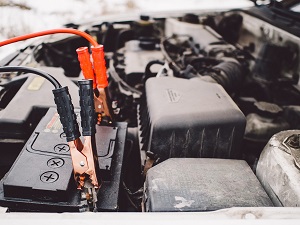 Small investments pay off:
- Fire extinguisher, smoke detectors, and carbon monoxide detectors
- Battery backups (for phones, laptops, small appliances)
- Jumper cables, tire repair kit, and emergency supplies in your car
Micro Prepping Mindsets
Micro prepping isn’t about waiting for collapse.
It’s about making sure you’re covered for the things most likely to happen.
Mindsets that help:
- Prepared, not paranoid.
- Mobile, not stuck.
- Adaptable, not rigid.
- Empowered, not overwhelmed.
Levels of Micro Prepping
Think of it as building layers over time:
| Level | Focus | Example |
| Level 1 | 24-hour emergency | Pocket-sized kit: food bar, flashlight, filter straw |
| Level 2 | 3-day disruption | Backpack with supplies for 72 hours |
| Level 3 | 2-week readiness | Pantry storage, backup water, alternative cooking |
| Level 4 | 1-month resilience | Home systems: solar charger, indoor garden |
You don’t need to go all the way.
Even Level 1 or 2 puts you ahead of 90% of people.
Common Mistakes to Avoid
Micro prepping is simple, but it’s easy to overcomplicate. Watch out for:
- Buying gear you don’t know how to use.
- Over-prioritizing “tactical” over practical.
- Ignoring psychological preparation. (Stay calm!)
- Failing to rotate supplies. (Nothing worse than expired food.)
- Forgetting about pets, elderly, or special needs.
How to Budget for Micro Prepping
Micro prepping works even on tight budgets. Tips:
- $5-10 per week challenge: Each week, add an item (cans, batteries, bandages).
- Use what you have first. Backpack? Check. Old tarps? Check.
- Buy used gear. Check thrift stores for packs, tools, blankets.
- Focus on multi-use items. (A pot can cook food, boil water, even purify!)
Small steps are better than waiting for the “perfect” prep.
Real-Life Examples of Micro Prepping Success
Story 1:
During a week-long power outage in Texas (2021), one family lived comfortably thanks to:
- A camp stove
- Stored water
- Small battery banks
- Blankets and warm clothing
Story 2:
In 2020, during the first wave of COVID lockdowns, a college student avoided panic buying because they had:
- 2 weeks of canned food
- Medicine refills
- A bicycle for transportation
Story 3:
After Hurricane Ida, a New Orleans resident stayed safe by relying on:
- A portable solar charger
- A water filter bottle
- A basic first aid kit
In all cases: Small preps, big results.
Where to Learn More About Micro Prepping
The movement is growing! Here are some great places to explore further:
Websites:
- ThePrepared.com – Practical prepping advice, heavy focus on urban/suburban readiness.
- PreppingCommunities.com – Community-driven prepping knowledge and resource sharing.
- ModernSurvivalBlog.com – Covers small-scale prepping and practical readiness.
- Reddit: r/preppers – Lots of micro prepping discussions.
Books:
- “Emergency: This Book Will Save Your Life” by Neil Strauss — a smart, modern introduction.
- “Just in Case: How to Be Self-Sufficient When the Unexpected Happens” by Kathy Harrison — very practical and approachable.
YouTube Channels:
- Prepping Communities — excellent platform on all things prepping.
- Prepper Watch — the latest in news and events related to prepping and homesteading.
- City Prepping — excellent urban prepping videos.
- Canadian Prepper — covers both large-scale and micro prepping.
- The Urban Prepper — known for small-scale prepping strategies.
Final Thoughts: Small Steps, Big Impact
You don’t need to live in a bunker, wear camo, or invest $50,000 in gear to be a prepper.
Micro prepping proves that even modest efforts can make a major difference.
It’s about protecting yourself, your family, and your community — one small step at a time.
The world is unpredictable. But with a little bit of planning, a little bit of resilience, and a little bit of courage, you’ll be ready.
First Week Micro Prepping Checklist
Goal: In just one week, take meaningful steps toward real-world preparedness — with low cost, low stress, and big impact.
✅ Day 1: Water Essentials
- Store at least 2 gallons of water per person (or purchase bottled water).
- Research and order a basic water filter (like Sawyer Mini, LifeStraw, or Grayl).
Tip: Refill clean juice or soda bottles with tap water if buying bottled water is too costly!
✅ Day 2: Food Basics
- Add 3 extra days’ worth of shelf-stable food (soups, beans, rice, canned meat, peanut butter, etc.).
- Check expiration dates — focus on foods you already eat.
Tip: Choose foods that require little or no cooking in case of a power outage.
✅ Day 3: Light, Power, and Communication
- Buy or locate a battery-powered flashlight.
- Buy extra batteries.
- Find a small battery bank for your phone.
Bonus: A cheap hand-crank flashlight/radio combo is a great micro prepping upgrade.
✅ Day 4: First Aid and Health
- Assemble a basic first aid kit (bandages, antiseptic, pain relievers, any personal meds).
- Add soap, sanitizer, wet wipes, and face masks for sanitation.
Tip: Dollar stores often sell decent first aid basics for a few dollars!
✅ Day 5: Important Documents
- Gather copies (paper and/or digital backup) of key documents:
- ID and driver’s license
- Passport
- Health insurance cards
- Emergency contacts
- Bank account info
Tip: Save secure copies on a USB flash drive or encrypted cloud storage.
✅ Day 6: Shelter and Warmth
- Store emergency blankets (Mylar survival blankets) or extra regular blankets.
- Add emergency ponchos or raincoats.
Bonus: Look for portable tarps (great for emergency shelters).
✅ Day 7: Personal Protection and Tools
- Add a multi-tool (pocket knife, pliers, screwdriver combo) to your kit.
- Create a small cash reserve ($20-50 in small bills).
- Review simple home safety measures (working smoke detectors, fire extinguisher).
Tip: Know where your home’s water, gas, and power shutoffs are located.
Progress Tracker:
| Task | Completed |
| Water stored | ⬜ |
| Food added | ⬜ |
| Light and power ready | ⬜ |
| First aid kit prepared | ⬜ |
| Documents copied | ⬜ |
| Shelter materials stored | ⬜ |
| Tools and protection ready | ⬜ |
Congratulations! 🎉
By the end of one week, you’ll have:
- Emergency food and water
- Power and light backup
- Basic first aid
- Access to critical documents
- Shelter options
- Simple tools for survival
You’re now more prepared than 90% of the population — and you’ve done it without stress or breaking your budget!