🐄 Hidden Homestead: Protecting Livestock in a Crisis
In a prolonged emergency, livestock can mean the difference between survival and starvation — but they also become high-value targets. Protecting animals isn’t just about fences. It’s about concealment, discretion, and layered security.
🚨 Why Livestock Become Targets
Animals provide food, labor, and trade value
Once stolen, livestock can’t be replaced quickly
Desperate people and organized groups look for easy protein
Visibility equals vulnerability
🪶 Small Livestock = Big Advantage
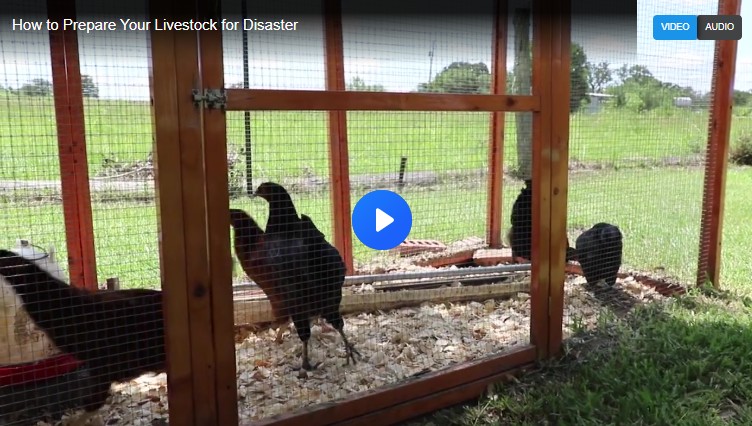
🐔 Chickens, rabbits, ducks are easier to hide and move
Build plain, nondescript coops that look like storage sheds
Use vegetation, fencing, and terrain to muffle noise and block sightlines
Keep areas clean to reduce smell
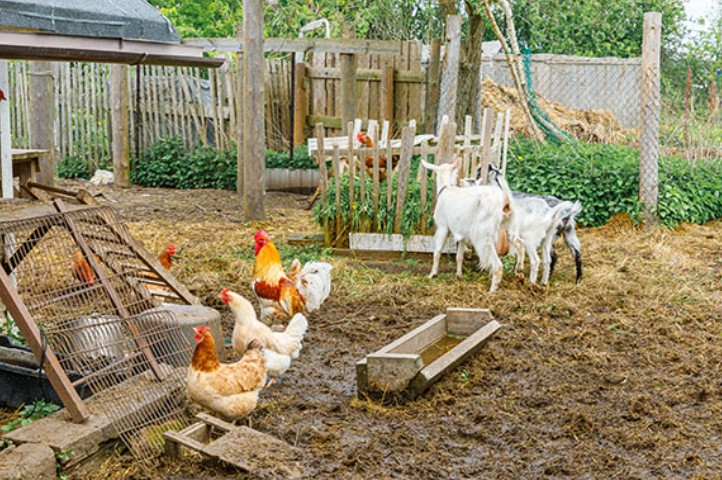
🐖 Medium Livestock (Pigs, Goats)
High food value, but noisy and obvious
Use tree lines, hedges, and earth berms for concealment
House animals in structures that blend into the landscape
Rotate locations if possible to avoid patterns
🐂 Large Livestock (Cattle, Horses)
Hardest to hide — require distance and deterrence
Use remote pastures, broken sightlines, and terrain features
🐕 Livestock guardian dogs provide early warning and deterrence
Strong fencing matters, but location matters more
🤫 Operational Security (OPSEC)
🚫 Don’t post livestock photos, counts, or layouts online
Hide feed storage and water systems
Avoid predictable routines
Share information on a need-to-know basis only
🛠️ Smart Prepper Measures
Plan fallback grazing areas or emergency relocation
Secure barns, sheds, and feed rooms
Keep basic veterinary supplies on hand
Build community awareness quietly — not publicly
🧠 Prepper Takeaway
Livestock security is about not being noticed.
In a crisis, the quiet homestead lasts longer than the obvious one.
🐄 Protect smart. Stay discreet. Stay prepared.