
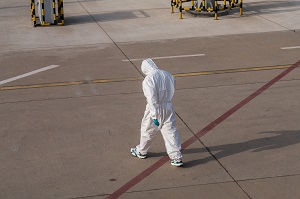
 Bioterrorism is a news and information topic monitored and covered by: Prepper Watch – Security and Safety
Understanding the Bioterrorism Threat
Bioterrorism refers to the intentional release of viruses, bacteria, or other microorganisms to cause illness or death in people, animals, or plants. Unlike conventional terrorism, bioterrorism can be stealthy—unfolding silently and invisibly—before symptoms arise or authorities become aware. Biological agents like anthrax, smallpox, plague, botulinum toxin, and engineered viruses can wreak havoc on public health, overwhelm healthcare systems, and cause societal panic.
For preppers, the threat is not theoretical. Modern biotechnology has made it easier to weaponize pathogens, and global instability has increased the risk of extremist groups or rogue states turning to biological warfare. This blog explores how preppers can protect themselves, their families, and their communities from one of the most insidious threats of the 21st century.
Recognizing the Early Signs of Bioterrorism
One of the biggest dangers of bioterrorism is delayed detection. Unlike a bomb or a cyberattack, a biological agent might not reveal itself for days. Preppers must know what to look for:
- Clusters of unexplained illnesses in local news or among acquaintances.
- Sudden flu-like symptoms that don’t match seasonal patterns.
- Unusual behavior by health officials such as mass vaccinations or quarantines.
- Anomalies in local wildlife or livestock, such as sudden die-offs.
- Government advisories that mention “unknown pathogens” or “suspected bio-event.”
Preppers should monitor health advisory feeds, local emergency alerts, and online open-source intelligence (OSINT) tools to catch early indicators. Speed is critical.
Building a Biological Threat Early-Warning System
Establishing a personal alert system can make a life-saving difference:
Information Sources
- RSS feeds from the CDC, WHO, and local health departments
- Social media alerts from doctors, emergency workers, and hospitals
- Private health risk intelligence services
- Citizen science platforms tracking unusual symptoms globally
Red Flag Protocol
Create a checklist of alert thresholds. For example:
- 3+ cases of hemorrhagic fever-like symptoms in a metro area = trigger lockdown
- Hospital overload in nearby cities = bug-in protocol
This proactive system allows you to make decisions faster than the general public, avoiding crowds, exposure, and panic.
Fortifying Your Home Against Airborne and Contagious Agents
If bioterrorism strikes, your home becomes your first and most vital shelter. Focus on the following:
Air Filtration
- Install HEPA filters in air systems.
- Use portable air purifiers in high-traffic areas.
- Consider DIY positive pressure rooms using box fans and HEPA filters.
Sealing Entry Points
- Weatherproof doors and windows with tape and plastic sheeting.
- Create quarantine rooms with isolation capability and exhaust airflow.
Sanitization Zones
- Establish an entry/exit decontamination station with bleach solution, UV sanitizers, gloves, and disposable gowns.
- Set up routines for sterilizing shoes, groceries, and packages.
Stockpiling Medical Supplies for Bioterrorism Scenarios
Your medical preps must go beyond the basic first-aid kit. A bioterror event requires advanced resources:
Essential Stockpile Items
- Respirators and N95 masks (with proper fitting and filters)
- Full-body PPE suits, goggles, gloves, and boot covers
- Medical-grade disinfectants, such as bleach and alcohol
- Antibiotics (doxycycline, ciprofloxacin, amoxicillin)
- Antivirals (oseltamivir for flu strains)
- Potassium iodide (for nuclear-biological crossover threats)
- Electrolytes, IV bags, and oral rehydration salts
Pharmaceutical Storage Tips
- Use cool, dark, dry areas to extend shelf life.
- Consider vacuum-sealing and desiccant packs.
- Rotate stock and track expiration dates.
Dealing with Infections: Field Quarantine and First Response
If someone in your home becomes symptomatic or exposed:
Immediate Action Protocol
- Isolate immediately in a predesignated quarantine space.
- Apply PPE before any interaction.
- Limit caretakers to one person only with set shifts and hygiene protocol.
- Use disposable utensils, linens, and clothing when possible.
- Maintain logs of symptoms, exposure windows, and response steps.
Sanitation & Containment
- Regularly disinfect surfaces with a 10% bleach solution.
- Ensure waste disposal is tightly sealed and buried or burned if needed.
- Ventilate the patient’s room away from other living spaces.
Alternative Treatment Knowledge & Natural Medicine
In a long-term collapse or if hospitals are overwhelmed, preppers must rely on alternative care:
Herbal Antibacterials & Antivirals
- Garlic, echinacea, and elderberry (antiviral/immune boosting)
- Goldenseal (antimicrobial)
- Usnea and oregano oil (natural antibiotics)
Supportive Therapy
- Hydration therapy, bone broths, and steam inhalation
- Activated charcoal for toxin absorption
- Clay poultices and honey bandages for external infections
Study field medicine, wilderness survival medicine, and community herbalism to fill knowledge gaps and extend self-reliance.
Creating a Community Bio-Response Plan
No prepper is an island. A resilient community can manage threats more effectively:
Roles and Responsibilities
- Medical officer: Trained in infection control, triage, and alternative medicine
- Security lead: Controls access and movement
- Logistics coordinator: Manages resources and inventory
- Communications manager: Maintains updates with external news and other groups
Shared Resources
- Collective PPE inventory
- Group quarantine tents or outbuildings
- Community disinfection points
Create drills and tabletop scenarios for infectious outbreaks, just as you would for active shooter or fire situations.
Long-Term Biological Survival Strategies
A major bioterror event can last months or longer. Think long-term:
Self-Sufficiency Goals
- Grow your own food (greenhouses reduce outside contamination)
- Harvest rainwater with filtration and UV treatment
- Create independent power using solar and backup generators
Off-Grid Isolation
- Consider temporary relocation to remote cabins or bug-out shelters
- Self-imposed quarantine zones can insulate you from re-exposure
Rebuilding Phase
- Prepare to offer medical and security services to help rebuild
- Store educational materials on medicine, biology, and sanitation for post-crisis leadership
Psychological Preparedness and Final Thoughts
Facing a bioterrorism event is not just about physical supplies—mental resilience is just as important:
Mindset Building
- Practice calm decision-making under pressure.
- Use scenario visualization to reduce shock and confusion.
- Maintain routine and morale through faith, fitness, family time, and humor.
Spiritual and Ethical Compass
- In a crisis, tough choices arise—who to help, how much to share, and what lines not to cross.
- Clarify your values and thresholds before a crisis strikes.
Conclusion
Bioterrorism is a slow-moving, invisible, and deeply personal threat. It challenges our health systems, trust in government, and our ability to interact with others. But it also reveals the power of preparation, community, and knowledge.
By investing in air filtration, protective gear, medical skills, and calm leadership, a prepper doesn’t just survive—he or she can lead. In a world that might be brought to its knees by a virus, those who saw it coming will be the ones who rebuild.