
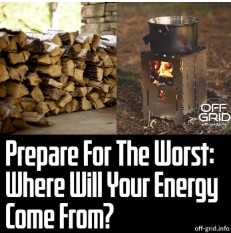
Prepare For The Worst – Where Will Your Energy Come From

Prepare For The Worst – Where Will Your Energy Come From. Graphic © off-grid.info. Photo: Pixabay (PD)
The U.S. recession of 2008 shook the nation to its core, sparking widespread anxiety about job security, skyrocketing grocery prices, and the affordability of essentials like natural gas. In the midst of such uncertainty, many people began to contemplate how they would cope if a major disaster struck their community. From hurricanes and earthquakes to prolonged blackouts, being prepared means more than just stocking up on water and canned goods—it’s about ensuring you have reliable sources of energy to keep your family safe, warm, and fed. In this comprehensive guide, we’ll explore how to build a robust power failure kit, manage food storage and cooking without electricity, and invest in emergency generators, all while incorporating modern tips and additional strategies for energy independence during crises.
Prepare For The Worst – Where Will Your Energy Come From
Prepare For The Worst – Where Will Your Energy Come From.
Graphic © off-grid.info. Photo: Pixabay (PD)
The U.S. recession of 2008 shook the nation to its core, sparking widespread anxiety about job security, skyrocketing grocery prices, and the affordability of essentials like natural gas. In the midst of such uncertainty, many people began to contemplate how they would cope if a major disaster struck their community. From hurricanes and earthquakes to prolonged blackouts, being prepared means more than just stocking up on water and canned goods—it’s about ensuring you have reliable sources of energy to keep your family safe, warm, and fed. In this comprehensive guide, we’ll explore how to build a robust power failure kit, manage food storage and cooking without electricity, and invest in emergency generators, all while incorporating modern tips and additional strategies for energy independence during crises.
Building a Comprehensive Power Failure Kit
Preparation starts with assembling a well-stocked power failure kit that can sustain you through extended outages. Choose a durable, waterproof container—such as a large plastic bin or a heavy-duty backpack—that’s easy to access even in pitch darkness. Store it in a central location like a hallway closet or under the stairs, and make it a family rule to check and rotate items every six months to ensure everything remains functional.
Begin with lighting essentials to navigate safely without power. Include a variety of flashlights, from compact LED models to powerful spotlight lanterns. Opt for solar-powered options to avoid dependency on batteries—these can recharge during the day and provide hours of light at night. Supplement with glow-in-the-dark light sticks, which are inexpensive and last up to 12 hours, and wearable lights like headlamps or clip-on LED badges for hands-free use. Don’t forget long-burning candles and waterproof matches sealed in ziplock bags, but always prioritize fire safety by keeping a fire extinguisher nearby.
Prepare For The Worst – Where Will Your Energy Come From
Prepare For The Worst – Where Will Your Energy Come From. Graphic © off-grid.info. Photo: Pixabay (PD)
The U.S. recession of 2008 shook the nation to its core, sparking widespread anxiety about job security, skyrocketing grocery prices, and the affordability of essentials like natural gas. In the midst of such uncertainty, many people began to contemplate how they would cope if a major disaster struck their community. From hurricanes and earthquakes to prolonged blackouts, being prepared means more than just stocking up on water and canned goods—it’s about ensuring you have reliable sources of energy to keep your family safe, warm, and fed. In this comprehensive guide, we’ll explore how to build a robust power failure kit, manage food storage and cooking without electricity, and invest in emergency generators, all while incorporating modern tips and additional strategies for energy independence during crises.
Building a Comprehensive Power Failure Kit
Preparation starts with assembling a well-stocked power failure kit that can sustain you through extended outages. Choose a durable, waterproof container—such as a large plastic bin or a heavy-duty backpack—that’s easy to access even in pitch darkness. Store it in a central location like a hallway closet or under the stairs, and make it a family rule to check and rotate items every six months to ensure everything remains functional.
Begin with lighting essentials to navigate safely without power. Include a variety of flashlights, from compact LED models to powerful spotlight lanterns. Opt for solar-powered options to avoid dependency on batteries—these can recharge during the day and provide hours of light at night. Supplement with glow-in-the-dark light sticks, which are inexpensive and last up to 12 hours, and wearable lights like headlamps or clip-on LED badges for hands-free use. Don’t forget long-burning candles and waterproof matches sealed in ziplock bags, but always prioritize fire safety by keeping a fire extinguisher nearby.
Next, focus on power sources. Stockpile fresh batteries in all common sizes (AA, AAA, C, D, and 9V), along with rechargeable ones and a solar or hand-crank charger to keep them topped up. A battery-powered or hand-crank radio is crucial for staying informed about weather updates, evacuation notices, and emergency broadcasts—look for models with built-in phone charging ports. For warmth, include thermal blankets, extra layers of clothing like fleece jackets and wool socks, and if you have a fireplace, a supply of seasoned logs, kindling, and fire starters.
Round out your kit with health and sustenance items: a fully equipped first aid kit with bandages, antiseptics, pain relievers, and any prescription medications. Add non-perishable emergency food rations, bottled water (at least one gallon per person per day for three days), and sanitation supplies like wet wipes and garbage bags. For cooking, include a portable camp stove with propane canisters or a solar cooker for fuel-free meal prep. By preparing this kit in advance, you’ll transform potential chaos into manageable comfort.