
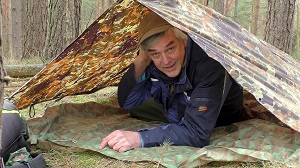
 Shelter Construction Issues is a news and information topic monitored and covered by: Prepper Watch – Survival
Introduction — Shelter as a Survival Priority
In survival, the “Rule of Threes” is foundational: you can survive three minutes without air, three hours without shelter in extreme weather, three days without water, and three weeks without food. Shelter is not optional—it’s critical. For preppers, the inability to build a reliable shelter could mean exposure, hypothermia, heatstroke, or death. Shelter protects against wind, rain, cold, heat, and even predators. Yet, many underestimate how hard it is to build an effective one in the field.
This blog explores how a well-prepared prepper can overcome shelter construction issues, including inadequate materials, poor design, structural weakness, and lack of practice. We’ll break down tools, materials, design principles, common mistakes, and how to train for real-world conditions.
Understanding the Problem — What Can Go Wrong?
Poor shelter construction isn’t just inconvenient—it’s dangerous. The risks of bad shelter building include:
- Inadequate insulation: Cold wind and rain seep in, causing hypothermia.
- Structural collapse: Improper supports or poor tying can lead to shelter failure.
- Improper location: Building in flood zones or on windy ridges can worsen exposure.
- Time inefficiency: A complex shelter that takes too long to build wastes energy.
- Fire risk: Shelters too close to campfires or made of flammable material are hazardous.
Common reasons preppers face these issues:
- Overconfidence from watching survival shows.
- Lack of hands-on building practice.
- Relying too heavily on gear that could break or be lost.
- Not adapting designs to different environments (desert vs forest vs snow).
The Prepper Mindset — Planning for Shelter in All Climates
The first step in prepping for shelter success is mindset and planning. Shelter should be prioritized in:
- Bug-Out Bags: Include tarps, cordage, thermal blankets, and compact tools.
- Bug-In Plans: Ensure window sealing kits, backup heating, and weatherproofing are stored.
- Vehicle Kits: Add windshield reflectors, bivy sacks, and folding shovels.
- Scouting Locations: Know at least 3 locations in your region that offer good natural sheltering terrain—caves, overhangs, or dense forests.
Practice mental scenario planning: If your tent fails, can you build a debris hut? If a snowstorm hits, do you know how to build a quinzee? Prepping begins before a stick is cut or a tarp is pitched.
Tools Every Prepper Should Master
A strong shelter starts with the right tools—and knowing how to use them efficiently:
- Fixed-blade knife: For notching, cutting cordage, and shaping supports.
- Folding saw or wire saw: For quickly processing wood.
- Paracord or bank line: Essential for lashing and tension.
- Tarp or emergency space blanket: Lightweight but effective when used right.
- Machete or hatchet: Clearing brush or splitting small logs.
- Multi-tool: For finer tasks like carving pegs or adjusting shelter hardware.
Train to use tools quietly and quickly. In stealth or emergency situations, time and sound discipline matter. Carry backups—if your saw breaks, can you improvise with a knife?
Shelter Types — What to Learn and Practice
Preppers should become proficient in multiple shelter types for varied environments:
- Tarp Shelters (Quick & versatile)
- Lean-to: Reflects heat from fire, good for cold nights.
- A-frame: More enclosed, better wind/rain protection.
- Wedge: One-sided protection from prevailing wind.
- Natural Debris Shelters (Primitive but reliable)
- Debris hut: Thick with leaves and branches; insulates well.
- Log lean-to: Built with logs and bark roofing for strong wind resistance.
- Snow Shelters
- Quinzee: Hollowed snow mound—warm and windproof.
- Snow trench: Fast to build with decent protection.
- Bushcraft Structures
- Wickiup: Cone-style shelter of saplings and brush.
- Log cabin base: Advanced—good for semi-permanent survival camps.
Each shelter has pros/cons depending on time, materials, and weather. Practice all four categories.
Design Principles for Effective Shelter
Survival shelters follow key design principles:
- Location, Location, Location: Pick high ground (not ridges), avoid valleys and water runoffs.
- Face Away From Wind: Know prevailing wind direction for your area.
- Insulate From Below: Ground contact kills warmth. Use leaves, pine needles, or emergency pads.
- Low Profile for Warmth: Smaller shelters trap body heat better.
- Ventilation: Especially in snow shelters or enclosed debris huts—CO2 can build up fast.
- Waterproofing: Angle your roof and layer materials thickly to prevent rain penetration.
Don’t just build—it must be livable for days or weeks.
Regional Shelter Adaptation
Preppers must adapt shelter strategy to regional conditions:
Forested Regions:
- Abundant materials for debris shelters and log structures.
- Watch for falling branches (“widowmakers”).
Desert Survival:
- Shelter from sun more than rain.
- Digging shallow pits and using reflective tarps can reduce heat.
Arctic/Snowy Environments:
- Snow is an insulator—use it, don’t fight it.
- Avoid touching snow walls directly; add insulating barriers.
Urban Collapse:
- Learn to convert rubble, plastic sheeting, and furniture into makeshift shelters.
- Avoid windows and unstable debris fields.
Practice region-specific shelter-building before you’re in the thick of it.
Training and Practice — From Backyard to Backcountry
Knowledge without hands-on experience leads to failure under pressure. Preppers must train regularly.
Here’s a progressive training plan:
- Backyard Builds: Build lean-tos, tarps, and test insulation.
- Overnighters: Sleep outdoors with only your bug-out bag.
- Timed Challenges: Give yourself 1 hour in the woods to build a warm, dry shelter.
- No-Gear Drills: Practice natural shelters without any tools.
- Weather Conditioning: Try shelter-building in the rain, cold, or heat.
- Shelter Testing: Use a thermometer to test interior temperature vs outside. Sleep in it. Learn from failures.
Keep a journal with shelter types, success/failures, and areas to improve.
Shelter Kits and Long-Term Planning
Preppers should maintain shelter kits tailored to different bug-out levels:
Mini Shelter Kit (EDC/Car):
- Mylar blanket
- Paracord
- Rain poncho
- Folding knife
Bug-Out Shelter Kit:
- Tarp (8×10 minimum)
- 50 ft paracord
- Tent stakes
- Compact folding saw
- Insulating ground pad
- Duct tape
- Waterproof stuff sack
Long-Term Cache Shelter:
- Pre-cut poles (stored at a BOL)
- Large canvas tarp or military tent
- Fireproof blanket
- Heavy-duty shovel and axe
- Spare sleeping bag
Plan redundancies. Assume one shelter might fail—do you have what it takes to build another on short notice?
Final Thoughts — Shelter is Life
Prepping isn’t just about having gear. It’s about knowing how to use it, especially when it comes to shelter. Shelter construction issues are among the top killers in survival situations—not because people don’t care, but because they don’t practice. In the wild, rain turns cold fast. Winds tear apart unstable frames. Poor insulation turns a lean-to into a death trap.
A good shelter is warm, dry, stable, and fast to build. Preppers who master these skills not only survive—they thrive. Build. Rebuild. Learn. And never assume you’ll rise to the occasion without putting in the reps.