
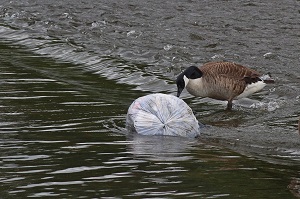
 Pollution is a news and information topic monitored and covered by: Prepper Watch – Environment
Introduction
Pollution is one of the most pervasive and pressing challenges that preppers face when it comes to securing a sustainable future. From industrial waste to vehicle emissions and chemical runoff, pollution impacts every facet of life, including the air we breathe, the water we drink, and the soil in which we grow our food. As a prepper, it’s essential to anticipate the long-term effects of pollution on our environment and take proactive steps to mitigate its impact. This guide will explore strategies for preparing for pollution, focusing on air, water, soil contamination, and food security.
Understanding Pollution and Its Risks
Pollution is a result of human activity, often linked to industrial processes, agricultural practices, and transportation. The three primary forms of pollution that impact preppers include:
- Industrial Waste: This includes chemicals, heavy metals, and hazardous byproducts from factories, mining, and other industrial activities. These substances can infiltrate the environment, leading to soil and water contamination.
- Vehicle Emissions: The burning of fossil fuels in vehicles produces pollutants such as carbon monoxide, nitrogen oxides, and particulate matter. These emissions contribute significantly to air pollution, which can lead to respiratory issues and other health problems.
- Chemical Runoff: Agricultural chemicals, such as pesticides and fertilizers, along with industrial discharge, often run off into water systems, contaminating both surface and groundwater. These chemicals can compromise the safety of drinking water and harm aquatic ecosystems.
The combination of these pollutants can have a direct impact on human health, reducing life expectancy, causing chronic diseases, and diminishing the quality of life. It can also negatively affect food security, as contamination of soil and water leads to reduced agricultural productivity and increased food scarcity.
Air Pollution: Preparing for Contaminated Air
Air pollution, caused primarily by vehicle emissions, industrial waste, and wildfires, presents a significant threat to human health. For preppers, understanding how to protect against poor air quality is essential.
- Air Filtration Systems
Air quality can deteriorate quickly in polluted environments, making reliable air filtration systems crucial. Preppers should consider investing in high-efficiency particulate air (HEPA) filters, which can trap dust, bacteria, and particles from the air. Additionally, activated carbon filters are effective at removing volatile organic compounds (VOCs) and other gaseous pollutants.
- Home Air Purifiers: For those living in areas with high levels of pollution, setting up air purifiers inside the home can reduce the risks of respiratory problems. Air purifiers with HEPA and activated carbon filters are recommended to address a broad range of air contaminants.
- Personal Respirators and Masks: In the event of a local pollution event such as a wildfire or industrial accident, preppers should have N95 respirators or similar masks on hand. These masks are designed to filter out harmful particles, including dust, smoke, and toxic chemicals.
- Indoor Air Quality Control
Keeping indoor air clean is vital for preppers who may be living off-grid or in areas with high pollution levels. Here are some methods to improve indoor air quality:
- Ventilation: Proper ventilation can help remove indoor pollutants. However, during times of heavy outdoor pollution, it is important to limit the intake of outside air. Use windows, doors, and vents strategically to maintain airflow without compromising indoor air quality.
- Houseplants: Certain houseplants, like spider plants and peace lilies, can help absorb some air pollutants. While they are not a replacement for an air purifier, they can supplement efforts to clean the indoor air.
Water Pollution: Preparing for Contaminated Water Sources
Water contamination from industrial runoff, chemical spills, and agricultural runoff is a significant concern for preppers, especially those relying on well water or natural water sources. Pollutants like pesticides, heavy metals, and organic chemicals can easily enter water supplies, rendering them unsafe for drinking and irrigation.
- Water Filtration and Purification
Access to clean water is vital for survival. Preppers must ensure that they have reliable water filtration systems to address both biological and chemical contaminants.
- Activated Carbon Filters: These are essential for removing chemicals, chlorine, pesticides, and heavy metals from water. Preppers should use activated carbon filters as part of their water filtration setup, especially if they live near agricultural or industrial areas.
- Reverse Osmosis Systems: Reverse osmosis (RO) systems are effective at removing a broad range of contaminants, including heavy metals, salts, and harmful microorganisms. However, they are relatively costly and require regular maintenance, making them best suited for long-term off-grid living.
- Portable Water Purifiers: For on-the-go situations, such as hiking or bugging out, preppers should have portable water purification systems, such as LifeStraw or Sawyer filters. These systems are compact and efficient at filtering out contaminants from natural water sources.
- Water Storage and Treatment
In the event of long-term water contamination, it is essential to have a stockpile of clean water for drinking, cooking, and hygiene.
- Water Storage Containers: Preppers should invest in BPA-free water storage containers, which can hold large quantities of water. For longer-term preparedness, consider water storage tanks with a filtration system that can be easily integrated.
- Water Treatment Tablets: Preppers should also stock up on iodine or chlorine dioxide water treatment tablets. These are lightweight and easy to carry, making them perfect for emergency situations where other methods of filtration may not be available.
Soil Contamination: Ensuring Safe Agriculture and Food Security
Soil contamination is one of the most significant long-term threats posed by pollution, particularly for preppers who grow their own food. Chemical runoff from pesticides, heavy metals, and industrial waste can make soil unsuitable for agriculture.
- Soil Testing
Before planting crops in an area, preppers should perform a soil test to determine the presence of heavy metals, pesticides, and other toxic substances. Soil testing kits are widely available and relatively inexpensive.
- At-Home Soil Test Kits: These kits can measure soil pH, nutrient levels, and contamination from specific chemicals, helping preppers identify whether the soil is safe for planting.
- Laboratory Testing: For a more comprehensive analysis, preppers can send soil samples to specialized labs that can test for heavy metals and persistent organic pollutants.
- Remediating Contaminated Soil
If soil contamination is identified, preppers can take steps to remediate the soil and make it safe for farming.
- Bioremediation: This process uses plants or microorganisms to break down or neutralize pollutants. For example, sunflowers can absorb certain types of heavy metals, while specific bacteria can break down organic toxins.
- Adding Organic Matter: Adding compost, biochar, and other organic materials can help dilute contaminants and improve soil health over time. These methods are especially useful in situations where the contamination is relatively shallow or localized.
- Raised Bed Gardening: For preppers living in areas with severely contaminated soil, raised bed gardening can be a practical solution. By using fresh soil and growing plants above the polluted ground, preppers can avoid direct contact with harmful substances.
Food Security: Protecting Your Crops from Pollution
The contamination of soil and water can severely impact food production. Preppers who grow their own food must take proactive measures to ensure that their crops remain uncontaminated by pollution.
- Crop Selection
Some crops are more resistant to environmental pollutants than others. Preppers should research which crops are better suited to survive in polluted environments.
- Pollution-Resistant Crops: Some crops, such as certain types of grains, legumes, and root vegetables, may be more resilient to environmental stressors. Additionally, growing native plants that are adapted to local conditions may provide more resistance to pollution.
- Heirloom Varieties: Heirloom seeds often produce plants that are more robust and may have better disease resistance than modern hybrid varieties. These varieties can be especially beneficial in polluted areas.
- Crop Protection
To protect crops from polluted air and water, preppers should implement several protective measures:
- Greenhouses: Building a greenhouse can provide a controlled environment for growing crops, protecting them from polluted air and ensuring that they receive clean water.
- Rainwater Harvesting: Collecting rainwater can be an effective way to avoid using polluted water sources for irrigation. Preppers should set up rainwater collection systems with proper filtration to ensure clean, usable water.
- Preserving and Storing Food
Given the risk of polluted environments and the potential for crop failures, preppers must be prepared to preserve and store food for long-term use.
- Canning and Drying: Canning and drying are excellent methods for storing food long-term. Preppers should stock up on canning supplies and dehydrators to preserve food grown in a potentially polluted environment.
- Root Cellars: A root cellar can be an effective storage solution for fresh produce, especially in areas with fluctuating temperatures. Preppers should consider building a root cellar to store vegetables and fruits, maintaining their quality for extended periods.
Conclusion
Pollution poses a serious threat to both human health and food security, making it essential for preppers to be proactive in preparing for its long-term effects. By investing in air and water filtration systems, testing and remediating soil, and ensuring food security through careful planning and preservation, preppers can mitigate the impact of pollution on their lives. With the right strategies, it is possible to build a resilient and sustainable future in a polluted world.