
 Communication Barriers is a news and information topic monitored and covered by: Prepper Watch – Survival
Introduction – Communication as a Survival Lifeline
In any survival scenario—whether a natural disaster, societal collapse, or remote off-grid living—communication is not just a convenience. It is a critical lifeline. A well-prepared homestead, stocked bug-out bag, or fortified retreat can be rendered ineffective if individuals or groups are unable to clearly understand, relay, or coordinate information. Communication barriers can lead to missed warnings, duplicated efforts, poor morale, or even life-threatening decisions.
This posting dives deep into how preppers can proactively identify, train for, and overcome communication barriers to increase their chances of survival and enhance team efficiency. From radio protocols to hand signals, we explore tools and techniques for clear and reliable communication—regardless of grid status or group composition.
Understanding the Threat – What Are Communication Barriers?
Communication barriers refer to any obstacle that hinders the effective exchange of information between individuals or groups. For preppers, this includes:
- Language differences
- Hearing or speech impairments
- Lack of proper communication tools
- Cognitive overload or stress-induced confusion
- Technological failures (radio static, battery loss, etc.)
- Poor signal in rural or mountainous areas
- Lack of standardized codes or signals
- Emotional or interpersonal conflict
In survival situations, miscommunication can lead to real danger: missed evacuation orders, failed security patrols, wasted supplies, or friendly fire. That’s why preppers need redundant and adaptable systems for both verbal and nonverbal communication.
Prepper Mindset – Communication as a Core Survival Skill
Many preppers prioritize stockpiles and tactical training—but few put enough effort into communication planning and drills. Effective communication isn’t just about what you say—it’s about how it’s received, understood, and acted upon.
The core elements of a prepper’s communication skillset include:
- Clarity – Simple, direct language
- Consistency – Standard signals and protocols
- Redundancy – Backups for every method (e.g., radio + signals + notes)
- Training – Everyone in your group must know the plan
- Adaptability – Ability to adjust based on terrain, threat, or tech failure
Investing in this skill means creating a common language, training for worst-case tech failures, and developing universal, low-tech alternatives.
Communication Tools Every Prepper Should Master
A resilient communication plan involves multiple layers of tools, both high-tech and low-tech. Here are some of the most important:
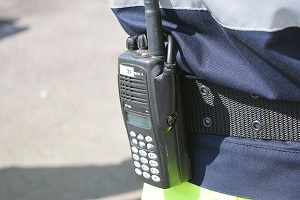
- Handheld Radios (FRS, GMRS, HAM)
- FRS/GMRS: Great for local group use
- HAM Radio: Essential for long-range or global listening
- Learn the basics of tuning, licensing (for HAM), and antenna boosting
- Signal Mirrors and Flashlights
- Use Morse code or flashes of light to communicate silently at a distance
- Flags, Colored Cloths, and Markers
- Use for color-coded location signals (e.g., red = danger, green = safe)
- Pre-arranged Codes
- “If I wave once, come back; if I wave twice, scatter”
- Color-coded cards, numbered signals, hand gestures
- Whistles and Sound Cues
- Whistles carry farther than shouting and can mean different things:
- One blast = regroup
- Two = danger
- Three = SOS
- Written Messages
- Notebooks, laminated cards, chalk for marking routes, and waterproof pens
Building a Group Communication Plan
In group survival scenarios, poor communication can breed confusion and mistrust. A Group Communication Plan should be developed before a crisis hits.
- Designate Communication Leaders
Assign a communications officer or point of contact per shift or zone.
- Agree on Terms and Signals
Everyone in the group should know:
- Radio call signs
- Emergency codes
- Hand signals
- Silent communication rules
- Establish Daily Check-ins
Schedule group check-ins via radio or face-to-face to:
- Share updates
- Reassign roles
- Confirm objectives
- Create Protocols for Silence
Silence may be necessary during certain operations. Establish:
- Duration of silence
- Signals to break it
- Hand gestures to replace voice
- Use Runners as Backup
In grid-down scenarios, physical runners with written messages can fill the gap.
Training for Communication Under Stress
Even with the best tools, human stress responses can mangle communication. In emergencies, people may stutter, mishear, or become frozen.
Training Recommendations:
- Scenario Drills: Practice communications during mock emergencies
- Role-Switching: Let every member try leading and following signals
- Memory Drills: Practice repeating complex but essential orders
- Noise Distraction Drills: Simulate loud environments or static-filled radios
- Hands-Only Training: Practice full coordination without speaking
Training under pressure increases reliability during the real thing. Make communication a skill as routine as fire-starting or first aid.
Overcoming Barriers in Multi-Group Coordination
During disasters or grid-down scenarios, groups may have to coordinate with strangers or allied teams. Communication barriers increase exponentially across groups.
Steps to Ensure Coordination:
- Standardize Language: Use plain English, basic terms
- Avoid Slang and Jargon: Group-specific lingo can confuse outsiders
- Share Reference Cards: Distribute your code sheet or symbols
- Create a Contact Hierarchy: Know who speaks for each group
- Use Pictographs: Universally recognizable images or maps help bridge language gaps
- Translation Tools: Keep offline language apps or phrasebooks on hand for mixed-language situations
In emergencies, collaboration often saves more lives than isolation. Your ability to communicate across group lines is a force multiplier.
Tech Resilience – Protecting Your Communications
Radios, smartphones, and signal gear can fail. They can also be jammed, hacked, or fried in an EMP. Preppers must build redundancy and resilience into their systems.
Protective Strategies:
- EMP Protection: Store radios in Faraday cages or metal containers
- Spare Batteries: Use solar chargers or hand-crank devices
- Analog Backups: Keep compasses, maps, and signal mirrors on hand
- Device Sharing: Store extra radios for mutual aid groups or backups
- Maintenance Schedules: Test radios weekly, update frequency lists
Rule of Three: Have at least 3 communication methods—electronic, visual, and physical.
Non-Verbal and Silent Communication Tactics
When stealth is critical, preppers should rely on silent communication techniques:
Hand Signals
Develop and memorize signals for:
- Stop
- Go
- Caution
- Enemy spotted
- Regroup
Light Signals
Use covered flashlights or laser pointers with Morse Code:
- 1 long = OK
- 2 short = Need help
- 3 quick = Immediate danger
Trail Markers
Use subtle natural markers or biodegradable trail tape to guide allies:
- Stacked rocks
- Carved symbols on trees
- Bent branches or knots on twine
Body Language
A confident posture or calm hand gesture can relay safety or leadership without a word.
Conclusion – The Prepper Who Listens Survives
The strength of a prepper doesn’t lie only in muscle, firepower, or gear—it lies in their ability to understand and be understood. In high-stakes environments where a second’s delay can cost lives, communication becomes your most critical tool.
Effective communication builds:
- Cohesion in your group
- Coordination across communities
- Calm in chaos
- Command in leadership
Start practicing now. Train your family, prepper team, or homesteading community. Create a codex, drill with radios, refine your non-verbal cues—and always have a backup plan for when the static hits.